

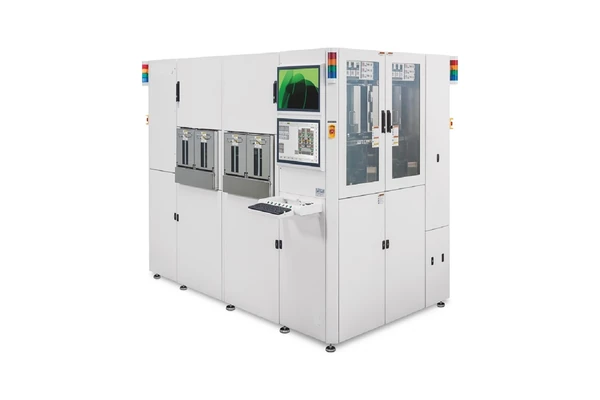
If you are evaluating mask aligner vs maskless lithography, the useful question is not which option has the longest feature list. You need to know which design fits your duty, what evidence supports the choice, and which surrounding conditions can change the result. This article is written for semiconductor R&D labs and pilot-line engineers and takes a process-platform decision for fast-changing device designs. It gives you a practical way to compare the product without repeating the acceptance, handover, or generic specification angles used in earlier weeks.
DEEPETCH is included only where its published product range is relevant. Final selection, installation, compliance, and operating limits should follow the exact supplied documentation and the rules that apply in your destination market. As you read, use your real load, material, layout, climate, user, or process data. A decision based on representative conditions is more valuable than a broad claim that cannot be verified at your site.
A mask aligner transfers a physical photomask, while maskless direct imaging writes from digital data. That difference changes design-turn speed, consumable cost, alignment strategy, and how easily you revise a prototype. The DEEPETCH maskless lithography provides an official or authoritative reference for this part of the decision.
For your project, convert this point into a controlled input rather than a sales adjective. Record the starting condition, the expected outcome, the operating range, and the person responsible for the decision. If one value is not yet known, mark it as an assumption and test it before release. This keeps purchasing, engineering, operations, and the supplier working from the same basis instead of carrying different interpretations into production.
Do not compare only the smallest advertised feature. Record resist, substrate reflectivity, exposure field, alignment marks, topology, overlay tolerance, and the metrology method used to judge the result. The NIST nanofabrication facility provides an official or authoritative reference for this part of the decision.
A useful comparison holds the surrounding conditions constant. Ask each option to address the same duty, site limits, materials, environment, and acceptance method. Then separate mandatory requirements from preferences and future options. You will see more clearly whether a higher specification solves a real constraint or only adds cost, complexity, and training. Keep the evidence with the product revision so the decision remains understandable when your team reorders or expands later.
For an R&D program with frequent layout changes, photomask lead time can dominate. For a stable repeating pattern, a mask can spread its cost over many substrates and shorten exposure time. The SEMI standards provides an official or authoritative reference for this part of the decision.
You should also examine the interfaces around this decision. Upstream conditions can change what reaches the product, while downstream equipment or user behavior can hide a weak choice for a short time. Draw the complete path, mark the handoff points, and note where measurement is practical. A system view usually exposes missing dimensions, incompatible assumptions, or maintenance needs before they become field problems.

Wafers, glass, ceramics, and irregular coupons present different chucking and focus challenges. Your selection should start from the full substrate set, including thickness variation and edge exclusion. The DEEPETCH product catalog provides an official or authoritative reference for this part of the decision.
Do not approve this item from a single ideal sample. Use representative low, normal, and demanding conditions, and repeat the observation long enough to see drift. Photograph or log the same features each time. Your test does not need to imitate every future event, but it should be specific enough to reveal whether performance is stable within the intended use and which conditions remain outside the evidence.
Exposure wavelength, resist sensitivity, bake, development, and downstream etch or lift-off must work together. A good tool comparison includes process results, not only the exposure step. The NIST dimensional metrology provides an official or authoritative reference for this part of the decision.
The commercial document should preserve the technical choice. Put the agreed material, model, construction, dimensions, revision, quantity, packaging, and supporting records in one scope. Avoid phrases such as standard quality or suitable for use unless the relevant requirement is stated. When a quotation changes, compare it against this scope line by line; otherwise a lower price can simply reflect a missing feature or a different operating assumption.
Maskless write time depends on area, feature density, and strategy. Mask alignment includes loading and alignment overhead. Use representative layouts to estimate useful wafers per shift.
Think about service life as a sequence of observable changes, not one universal number. Define what operators can inspect, which measurement indicates deterioration, what cleaning or adjustment is allowed, and when engineering review is required. This approach lets you adapt maintenance to actual duty while avoiding unsupported promises. It also creates better feedback for the next order because wear, defects, and interventions can be tied to a known product and position.
Map expected projects, likely design changes, operator skills, service needs, and budget. The correct platform is the one that removes your most expensive development bottleneck without exceeding required capability.
Finally, assign an owner and a release rule. Engineering may set the design limit, quality may define the inspection, operations may confirm usability, and purchasing may control the approved revision. When those roles are explicit, your team can make a timely decision without turning every observation into a new specification. The result is a product choice that supports the intended search question and also gives a buyer a practical next step.
Collect the intended duty, operating range, site or user conditions, interfaces, constraints, target outcome, and the method you will use to judge success. Add photographs, drawings, samples, or interval data when they explain the application better than a short description.
Not automatically. A higher value can add cost or complexity without improving the intended result. Compare the options under the same conditions and decide which requirement is actually limiting your project.
Use a representative sample, model, trial, or calculation; document the exact revision and assumptions; and involve the teams that will install, operate, clean, sell, or service the product. Release only the range that your evidence supports.
A strong decision on mask aligner vs maskless lithography starts with the application and ends with a traceable reason for the choice. When you compare the same duty, verify the interfaces, test representative conditions, and keep the approved revision clear, you reduce avoidable cost without turning the article into another generic checklist. Use the framework above to prepare a focused discussion with DEEPETCH and to identify the few project facts that still need engineering confirmation.

The DEEPETCH UV Debonding Film is a core supporting material engineered for advanced semiconductor wafer...
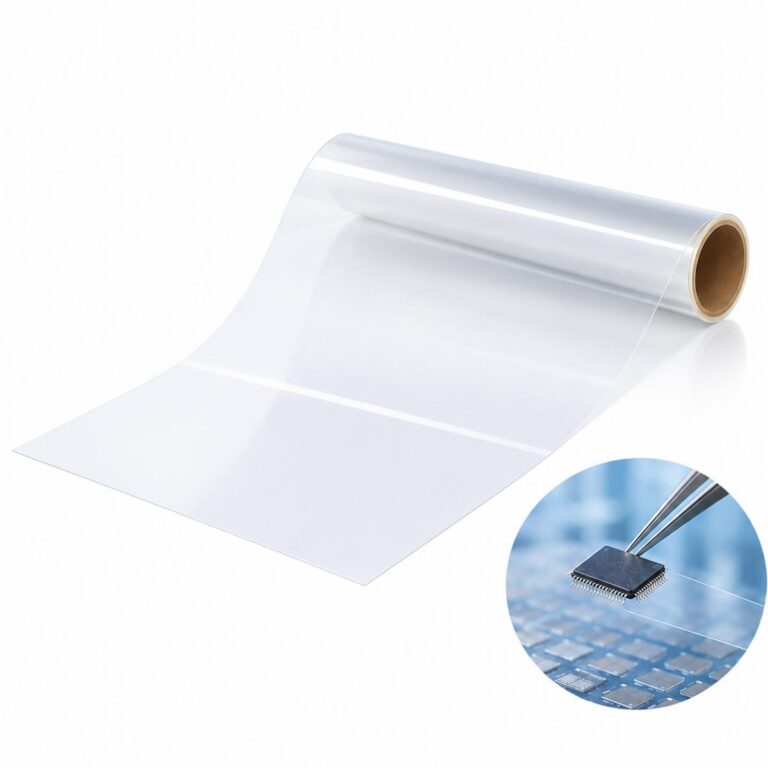
The SCH Series is a high-performance DAF/DDAF (Die Attach Film) designed to streamline and enhance the advanced packaging process....
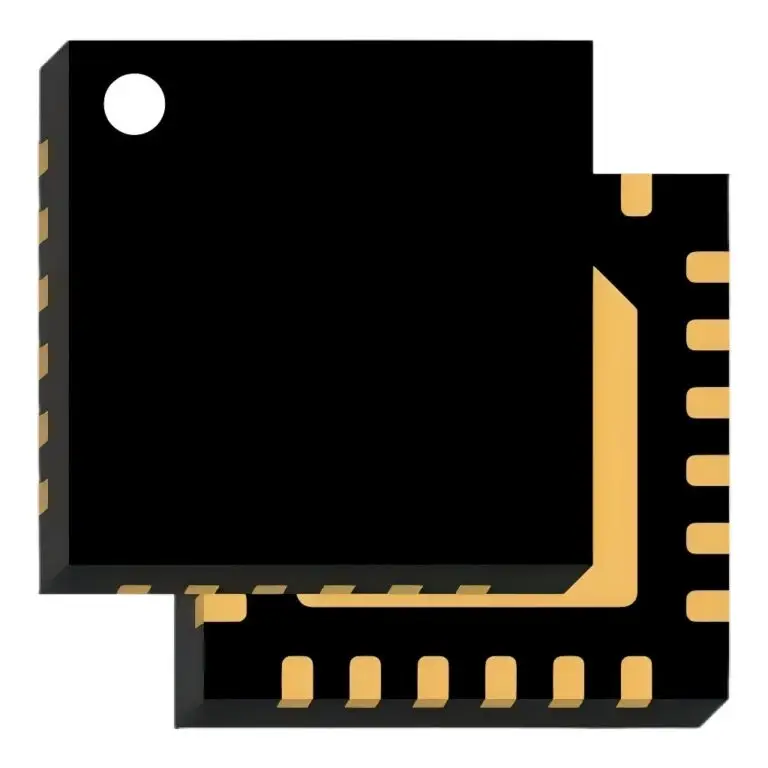
The DEEPETCH DP-QPA2611 is a high-performance X-Band (8–12 GHz) Gallium Nitride (GaN) Power Amplifier...
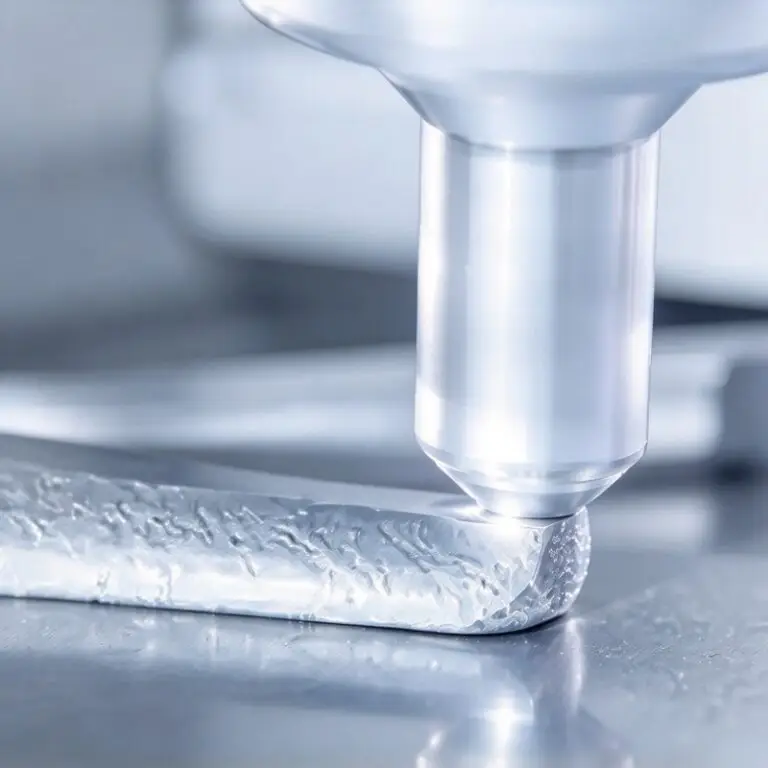
The DEEPETCH DP-ROS-40121 is a premium, solvent-free epoxy die attach adhesive engineered for the most...
The Diamond Heat Spreader is a highly efficient thermal management material engineered for the most demanding...
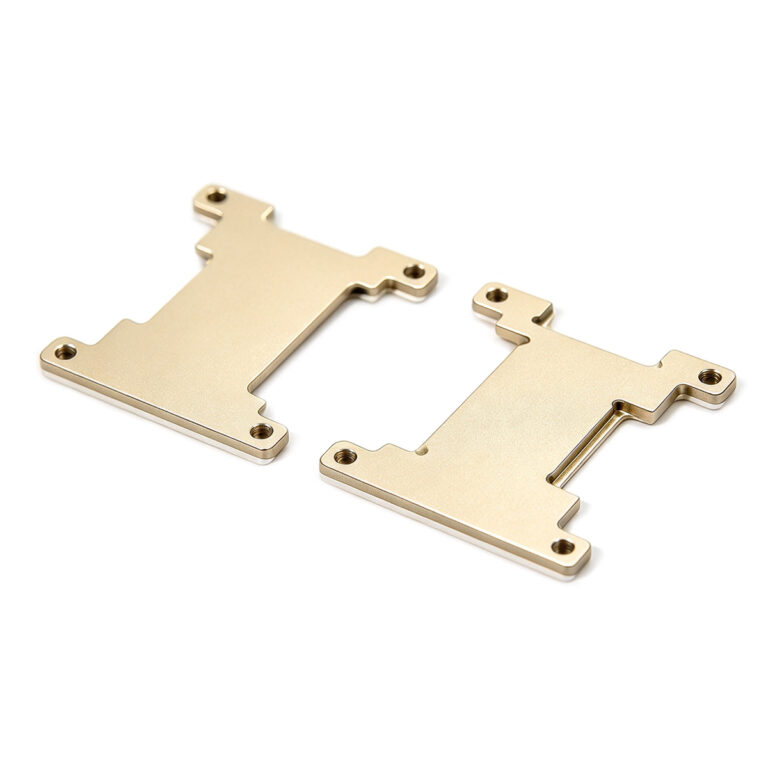
Molybdenum copper composite: adjustable CTE, high conductivity, lower density than tungsten copper. No...
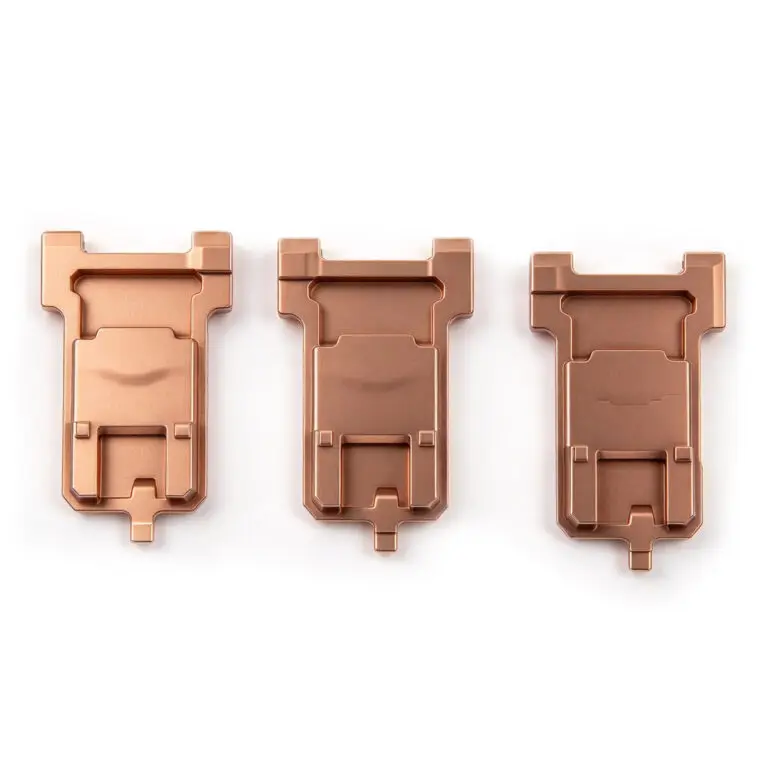
Tungsten copper composite: low CTE, high conductivity. Ideal for RF, power, optical packaging.
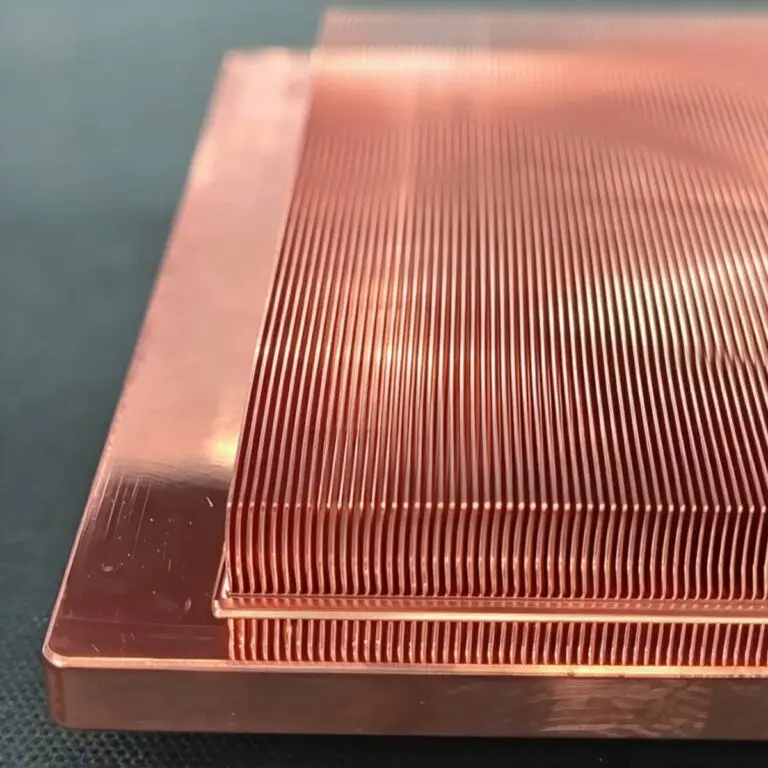
Diamond-Copper Thermally Conductive Composite. High thermal conductivity, tunable CTE, robust.
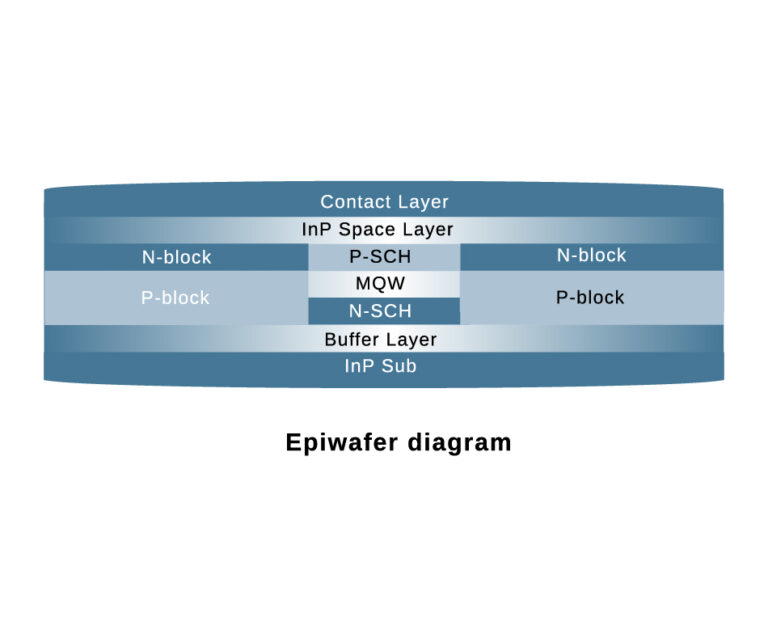
The DE-CW-1310 DFB EPI wafer, a high-performance epitaxial structure designed for distributed feedback (DFB) lasers operating at 1310 nm....
Ceramic thin-filmvacuum sensor Optical gas massflowmeter Liquid mass flowmeter Force sensor MEMS...