
Choosing an 800G Optical Transceiver is not only about speed. For data center buyers, the real question is whether the module fits the switch cage, cooling design, fiber plan, reach requirement, and future upgrade path. OSFP and QSFP-DD can both support 800G links, but they are not selected in the same way.
DEEPETCH focuses on high-speed optical modules and data communication products for data centers, AI computing centers, supercomputing centers, and cloud computing applications. Its product information covers 400G/800G transceiver series, liquid cooling optical module solutions, AOC, DAC, AEC, ACC, and related OEM/ODM/JDM service paths. For this topic, the most relevant products are the OSFP 800G Transceiver series and the QSFP-DD 800G Module series.
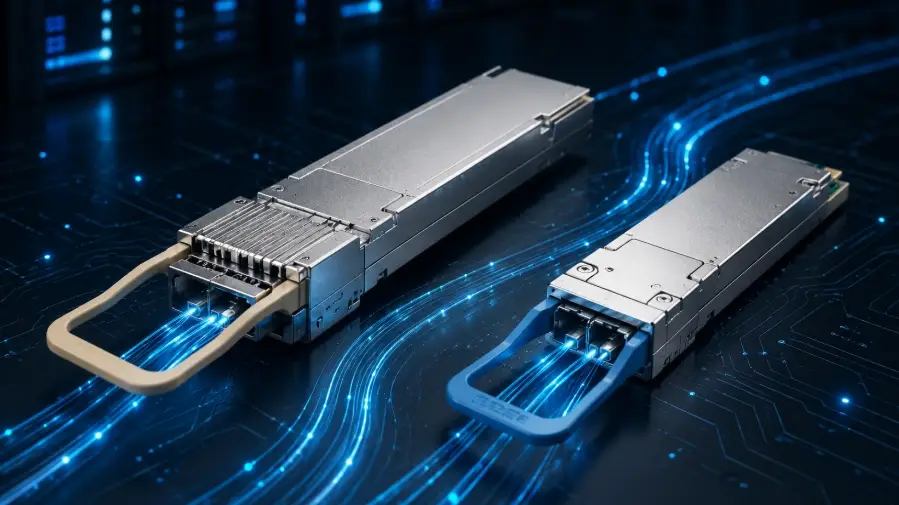
An optical module is part of the data path between switches, servers, storage systems, and accelerator clusters. At 800G, small selection mistakes can create larger problems later, such as wrong connector type, unplanned fiber replacement, thermal pressure, or inventory mismatch.
In AI training clusters and HPC environments, traffic does not only move north and south. Large volumes of data also move between servers and switches inside the same cluster. This is where the 800G Optical Transceiver becomes valuable. It helps reduce the number of physical links needed for the same bandwidth target, which can simplify front-panel cabling if the switch platform is ready for it.
For short links, buyers may consider SR-type 800G modules. For longer in-building links, DR or FR types may make more sense. The module should be selected after checking the switch port, fiber type, link distance, and operating temperature.
DEEPETCH’s 800G OSFP and QSFP-DD product specifications use 106.25 Gb/s PAM4 per lane and 8x106Gbps PAM4 transmitter and receiver architecture. This means the 800G link is built from multiple high-speed lanes rather than one simple signal path.
For a buyer, this matters because PAM4 is more sensitive to signal integrity, connector quality, fiber condition, and thermal environment than older lower-speed links. A stable 800G deployment should not be judged only by nominal speed. The full link, including module, switch port, fiber, connector, and airflow path, needs to be checked together.
For OSFP-based switch platforms, DEEPETCH’s OSFP-800G-2xSR4, OSFP-800G-2xDR4, and OSFP-800G-2xFR4 are suitable product directions. For QSFP-DD platforms, the matching choices include QSFPDD-800G-SR8, QSFPDD-800G-DR8, and QSFPDD-800G-FR8. If the project has a tight delivery window, buyers can first check availability through Chips in Stock.
The form factor decision should start from the switch, not from the module alone. A module that looks strong on paper will not help if the platform does not match the cage, airflow, or planned cable route.
OSFP and QSFP-DD use different physical formats. If the switch is designed with OSFP cages, the buyer should normally stay with OSFP modules. If the current infrastructure is already based on QSFP-DD, then a QSFP-DD upgrade path can reduce changes in procurement habits, spare parts planning, and rack documentation.
This is why the same AI Data Center Interconnect project may use different module types in different rooms or phases. The right answer depends on the installed platform.
DEEPETCH’s listed 800G OSFP and QSFP-DD modules show power consumption around ≤14W to ≤16W, depending on the specific model. For example, SR options are listed at lower power than some longer-reach options, while DR and FR types require different optical components and link planning.
Even when OSFP and QSFP-DD show similar module-level power figures, the thermal result can differ by switch design. Buyers should check airflow direction, heat sink space, cage layout, and rack-level cooling before locking the BOM.
A move from 400G to 800G often affects more than the optical module. It may change fiber count, connector style, monitoring habits, spare inventory, and testing procedure. If a site already runs 400G QSFP-DD links, QSFP-DD 800G may be easier to phase in. If a new AI cluster is being built around OSFP switches, OSFP may be more natural.
The form factor answers “what fits the switch.” The reach type answers “what fits the link.” An 800G Optical Transceiver should be chosen by real distance, fiber type, and connector plan, not by speed label alone.
| Link Need | DEEPETCH Product Direction | Typical Use |
|---|---|---|
| Short multimode link | OSFP-800G-2xSR4, QSFPDD-800G-SR8 | Rack or nearby row connection |
| 500m single-mode link | OSFP-800G-2xDR4, QSFPDD-800G-DR8 | Longer in-building connection |
| 2km link | OSFP-800G-2xFR4, QSFPDD-800G-FR8 | Larger facility or campus link |
DEEPETCH’s SR-type 800G modules use 850nm VCSEL + PIN components. The OSFP-800G-2xSR4 and QSFPDD-800G-SR8 directions fit short multimode fiber links, such as compact AI cluster rows or switch-to-switch connections inside a data hall.
SR modules are usually easier to justify when distance is short and the buyer wants a dense, cost-controlled link plan.
For 500m requirements, DEEPETCH lists OSFP-800G-2xDR4 and QSFPDD-800G-DR8 with 1310nm EML + PIN components. This is a stronger fit when the link is beyond the short multimode range but still inside a controlled campus or facility environment.
Before choosing DR, buyers should confirm single-mode fiber availability and connector routing.
For 2km needs, DEEPETCH lists OSFP-800G-2xFR4 and QSFPDD-800G-FR8, using 1271/1291/1311/1331nm wavelengths and Dual Duplex-LC connectors. These modules are better aligned with longer data center interconnect routes where multimode fiber is not practical.
This is where 800G SR8 DR8 FR8 comparison becomes useful for procurement teams. The wrong reach type can create unnecessary cost or require fiber changes after ordering.
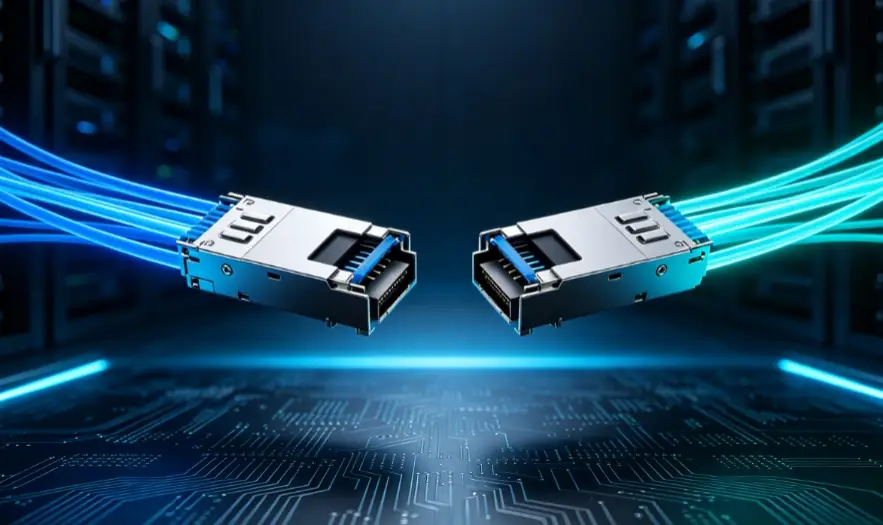
A buyer rarely purchases only one module. The real task is to build a link plan that can be purchased, installed, tested, replaced, and expanded with low friction.
For replacement, pilot builds, and urgent deployment, availability may be more important than having every possible option on paper. A delayed module can hold up rack acceptance or switch testing. DEEPETCH’s Chips in Stock page can be used as a practical first step before a final model discussion.
Some projects need more than module selection. A buyer may need component matching, interface review, cable choice, PCBA-related planning, or customized electronics manufacturing discussion. In that case, DEEPETCH’s IDM service path is more suitable than treating the module as a stand-alone catalog item.
The lowest module price may not give the lowest project cost. Buyers should include fiber type, connector changes, power draw, cooling load, failure replacement, test tools, and downtime risk. This is especially true for Ethernet and IB Network deployments where one unstable link can affect cluster operation.
The cleanest decision rule is simple: choose the module that fits the platform and the link plan with the fewest forced changes.
Choose OSFP when the switch platform is designed around OSFP cages and the project is focused on new high-density AI or HPC deployment. DEEPETCH’s OSFP 800G Transceiver options can be matched with SR, DR, or FR reach needs.
Choose QSFP-DD when the site already uses QSFP-DD infrastructure or when the purchasing team wants continuity in cage format and spare planning. DEEPETCH’s QSFP-DD 800G Module options fit this type of upgrade path.
Before the BOM is fixed, prepare switch model, reach, fiber type, connector type, operating temperature, protocol requirement, and delivery timeline. These details help avoid the common mistake of ordering the right speed but the wrong link.
The right 800G Optical Transceiver is not chosen by form factor name alone. OSFP is often a strong fit for new OSFP-based high-density AI platforms, while QSFP-DD can be more practical for sites already built around QSFP-DD infrastructure. Reach type then decides whether SR, DR, or FR is the correct product direction. For project buyers, DEEPETCH’s OSFP 800G and QSFP-DD 800G series are the most relevant product families to compare.
If your team is still checking switch compatibility, fiber routes, reach type, stock pressure, or custom integration needs, prepare the basic link information and contact DEEPETCH with the planned BOM. A clear technical request usually gets a better answer than asking for a general model recommendation.
Q: What is the difference between OSFP and QSFP-DD for an 800G Optical Transceiver?
A: OSFP and QSFP-DD are different form factors. The main difference for buyers is physical platform fit, switch cage design, thermal layout, and upgrade path. The correct choice should follow the switch hardware first.
Q: Is SR8 always enough for an 800G Optical Transceiver?
A: No. SR8 is mainly for short multimode links. If the distance reaches 500m or 2km, DR or FR types may be more suitable, depending on fiber type and connector plan.
Q: Should I choose 800G optical modules or high-speed cables for short links?
A: For very short rack-level links, high-speed cables such as DAC, ACC, or AEC may be considered if the platform supports them. For longer, cleaner optical routing, OSFP or QSFP-DD 800G modules are usually more suitable.
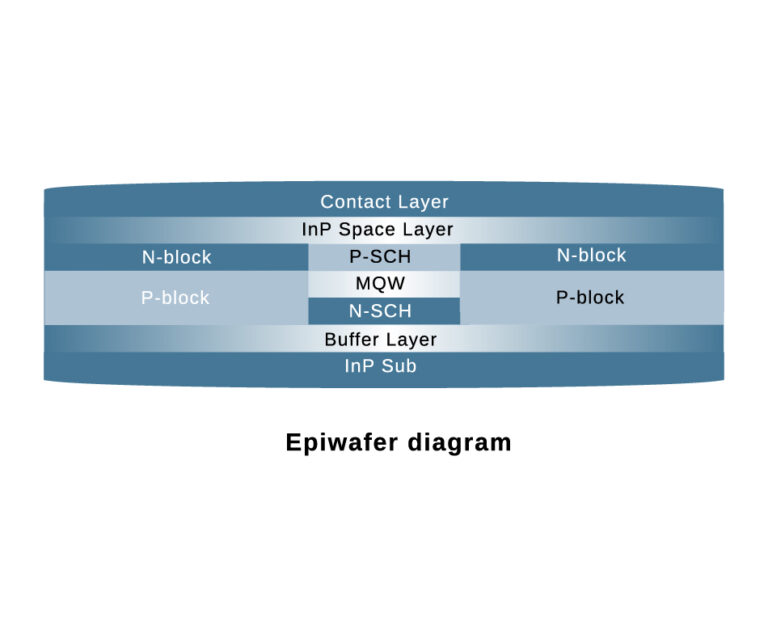
The DE-CW-1310 DFB EPI wafer, a high-performance epitaxial structure designed for distributed feedback (DFB) lasers operating at 1310 nm....
Ceramic thin-filmvacuum sensor Optical gas massflowmeter Liquid mass flowmeter Force sensor MEMS...
Photoelectric sensing chip Light source chips Optical transmission and modulationchips Optical detection and receptionchips...
Using a“Detach Core”which has two-layers carrier foil structure on the surface as a core, and forming...
Tenting process is a kind of subtractive process, the process as follows: Laminating photosensitive film...
Modified Semi-Added Process abbreviated as mSAP, which can be used on the core or build-up layers, pattern...
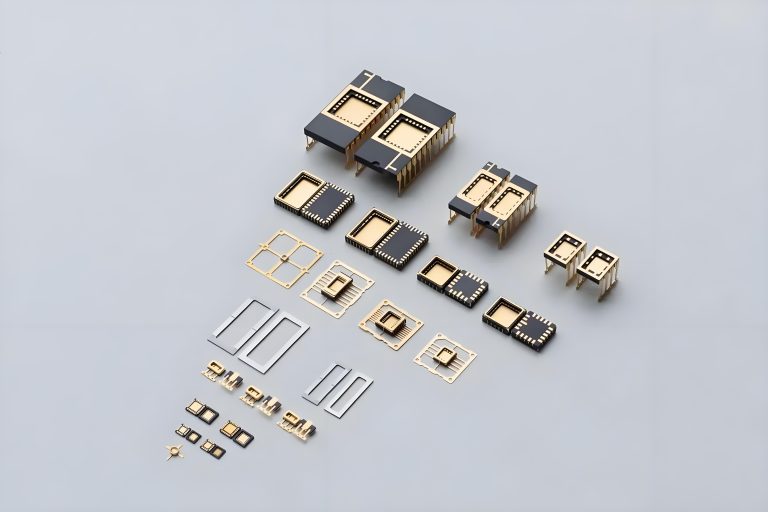
Semi-Added Process abbreviated as SAP, using on the build-up-layer pattern forming as follow:First depositing...
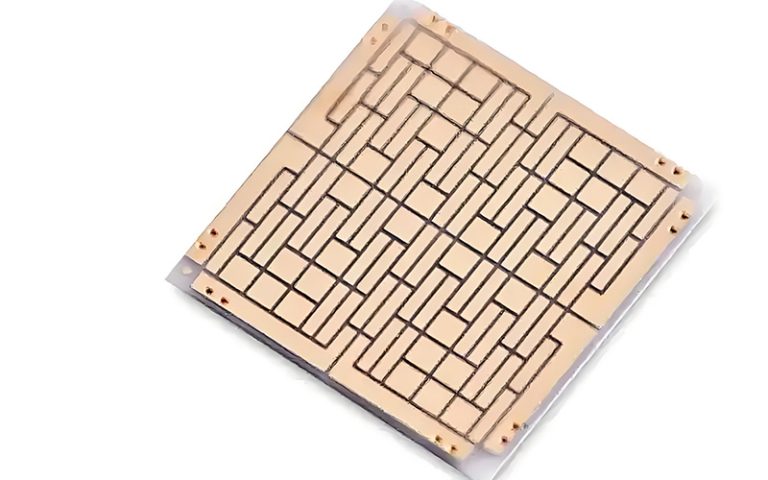
The product generally adopts the pressing lamination process of semi-curing sheets , and line formation...
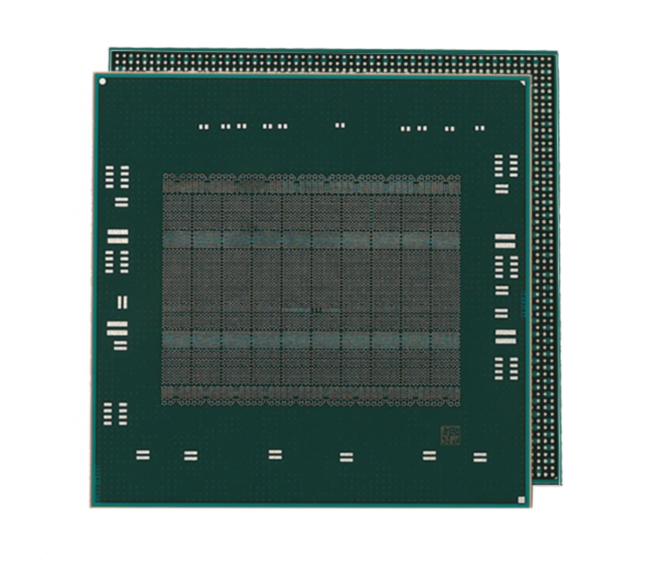
The products generally adopt the Build-up Film Lamination process, and the circuit formation uses the...
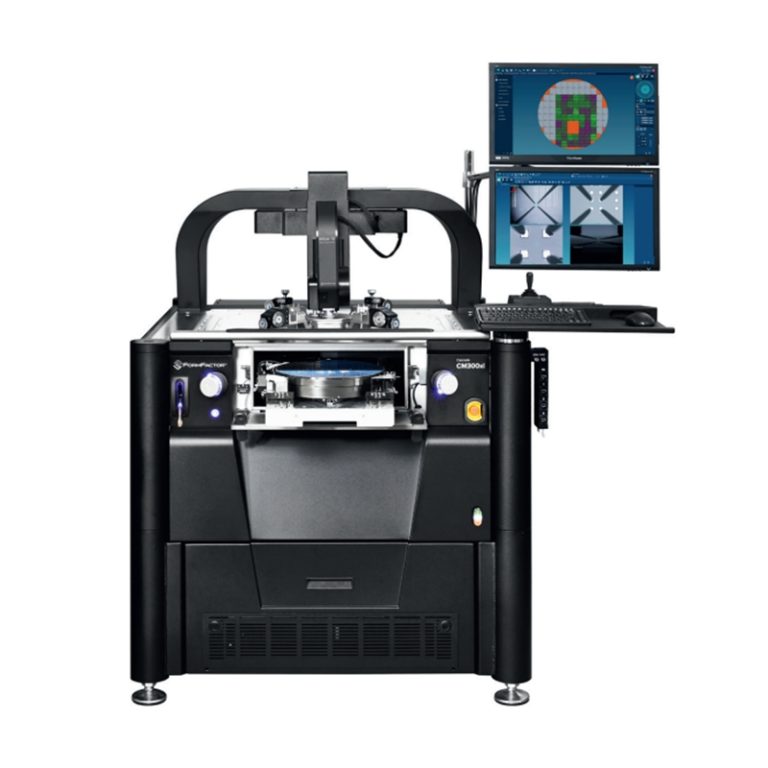
Equipment features: 1. Non-destructive precision testing Micrometer-level probe contact technology...