

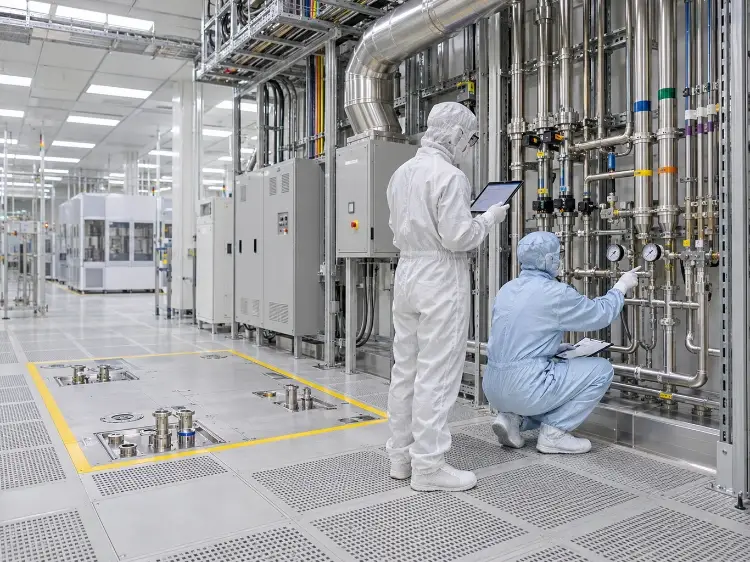
The services of a clean room are the supplies so brought to the place of work that the process may be carried on without interruption and without loss of the cleanliness for which the room is kept.
The quality of a supply is read beside its quantity, because a service delivered in full measure but not to the required purity is of no use to the process. The purity is read where the supply meets the machine, and not only at the source, since a supply may take up moisture, particles or gas upon its way. The reading is taken at the same time as the quantity, so that the two may be compared, and both are written with the date and the point at which they were taken.
Electric power is brought into the clean room by way of a distribution board placed outside the room, so that work upon the board, and the switching of a circuit, do not stir the air of the room. The board is labelled with the circuit and the process served by each way, and the label is kept to the truth after every change. Every metal part of a machine, of a duct and of a pipe that may become live is bonded to earth. Cables are carried in ducts or trays that do not shed particles into the room, and are sealed where they pass through a wall or a floor. No cable of a temporary nature hangs across a work place. Where the audit touches the handling of chemicals, the laboratory standard gives the frame of the requirements. The wider programme of which such a plant forms part is described under CHIPS for America program.
The exhaust is measured at the branch that serves the machine, because the draw at the branch decides whether the vapour is carried away at the place of work. A branch that is long or that carries several machines draws less at its end than at its head, and the reading at the head does not describe the machine. The machine is named beside the reading, and the draw is read with the machine working and with it at rest.
The air of the room is a supply among others. Its pressure is held above that of the air outside, so that the room is the side from which the air leaves, and the particles of the outside air do not enter. The pressure is read between the room and the corridor or the outside, and the reading is written with the direction of flow that was found. The temperature and the humidity are read where the work is done, and not only at the supply grille, since the air changes upon its way through the room. The number of particles is read where the work is done, at the height of the work.
Each drain is drawn according to the waste it will carry, because liquors of different kinds may not be led to the same drain. The drain for a corrosive liquor is drawn apart from the drain for an ordinary waste, and the place at which the two might meet is marked upon the drawing. A drain that is to carry a waste at a high temperature is drawn in a material that will bear it, and the slope, the trap and the vent of each drain are shown. The classification of the waste streams is read against the hazardous-waste generator guidance.
The trap separates the room from the drain, and it is kept full. The vent of the drain is carried to the outside, and not into the room.
Deionised water is drawn in a pipe that does not yield ions to it, and the water is allowed to run before a sample is taken. Gases are drawn in pipes of a material that does not react with them, and each gas is named at its outlet. Vacuum is drawn apart from the compressed air, and each is named at its point of use.
The supply of a chemical in bulk is recorded apart from its delivery at the point of use, because the purity at the place of work decides the result. The store, the pipe, the pump and the point of delivery are recorded as one route, and the material of each part is written beside it. A chemical that is delivered at the point of use through a filter is shown with the filter and the period at which it is changed.
The record of a service is kept with the record of the process, so that a change in the one may be seen beside a change in the other. A failure of a service, a switch to another source, a repair and the return of the service are written with their times, and the process that was running at those times is named. A change in the quality of a service is written as it is found, and the process that was made with that quality is marked.
The record kept for the room, the record kept for the machine and the record kept for the service are brought together at the end of each period, and the three are read as one account.
The temperature and the humidity are read where the work travels, and not only at one fixed point of the room, because the condition at a fixed point does not describe the path of the wafer. The readings are taken at the machine, at the placing of the work, and at the route between them. Where the room holds a machine that makes heat or a process that gives off moisture, the readings are taken with the machine working. The apparatus that the utility audit is written around is supplied by DEEPETCH SEMICON. The material being processed is described on the maker’s indium phosphide overview.
The filter is fitted so that no unfiltered air can pass beside it.
The pressure of the room is held above the pressure of the air outside, so that air leaves the room and does not enter it.

Room is left for the service of the machine, because apparatus that cannot be reached cannot be maintained. The space at each side of the machine is measured and written, and the route by which a part of size may be carried in and out is shown. A machine that cannot be served, or a part that cannot be carried to its place, is entered upon the drawing with the point at which the route fails.
The services of the clean room are drawn in plan and in section, and the two drawings are read together, because the air, the vapour and the waste travel in three dimensions and a plan alone will not show the place at which they meet.
A machine is placed beside a wall so that the service may reach it without crossing the work place. The ducts, the pipes and the cables are brought down the wall or up through the floor at the back of the machine, and not across the space in which the work is handled. The service points are grouped, and each is labelled with the service it carries and the process it serves. The grouping is written upon the drawing, so that a person who is to change a connection may find the point without searching.
The audit closes with evidence for each service and a person named for each open item, so that the work may be followed after the audit team has gone. Every reading carries the point at which it was taken, the date and the instrument, and every open item carries the name of the person who will close it. Where a service is found wanting, the machine that depends upon it is named beside it, since the want is a want of the process and not only of the service.
The several drawings of the services agree one with another, and the approved scheme is the one that is held. The plan, the section, the electrical drawing and the air drawing are brought to one revision and one date, and the revision is marked upon each sheet.
The scheme is read against the works by walking the route of each service, and not by reading the drawing alone. The route is followed from its source to its point of use, and each length, each branch, each valve and each label is seen. What differs from the drawing is written down at the place where it differs, and the difference is brought to the person who keeps the approved scheme.
The place at which a service may be cut off is shown upon the drawing, since a person who must stop a leak in haste will look for it there.
The record of the audit names the process that will be carried on, the services that route supplies to it, and the means by which each service was measured.
The figures in the scheme are taken at the main. The branch that serves the machine may be long, and the shortfall shows only at the machine.
A service delivered in full measure but not to the required purity is of no use to the process. The two are read together.
The waste that each drain will carry. Liquors of different kinds may not be led to the same drain, so each is drawn by its waste stream.
No. They are read where the work travels, because the condition at one fixed point of the room does not describe the path of the wafer.
Evidence for each service, and a named person for each open item, so that the work can be followed after the audit team has gone.
The equipment bay is the last thing to look at. The services that route supplies to it decide whether the machine can be worked as its maker intended, and the audit is the moment to find that out.

The DEEPETCH UV Debonding Film is a core supporting material engineered for advanced semiconductor wafer...

The SCH Series is a high-performance DAF/DDAF (Die Attach Film) designed to streamline and enhance the advanced packaging process....

The DEEPETCH DP-QPA2611 is a high-performance X-Band (8–12 GHz) Gallium Nitride (GaN) Power Amplifier...

The DEEPETCH DP-ROS-40121 is a premium, solvent-free epoxy die attach adhesive engineered for the most...
The Diamond Heat Spreader is a highly efficient thermal management material engineered for the most demanding...
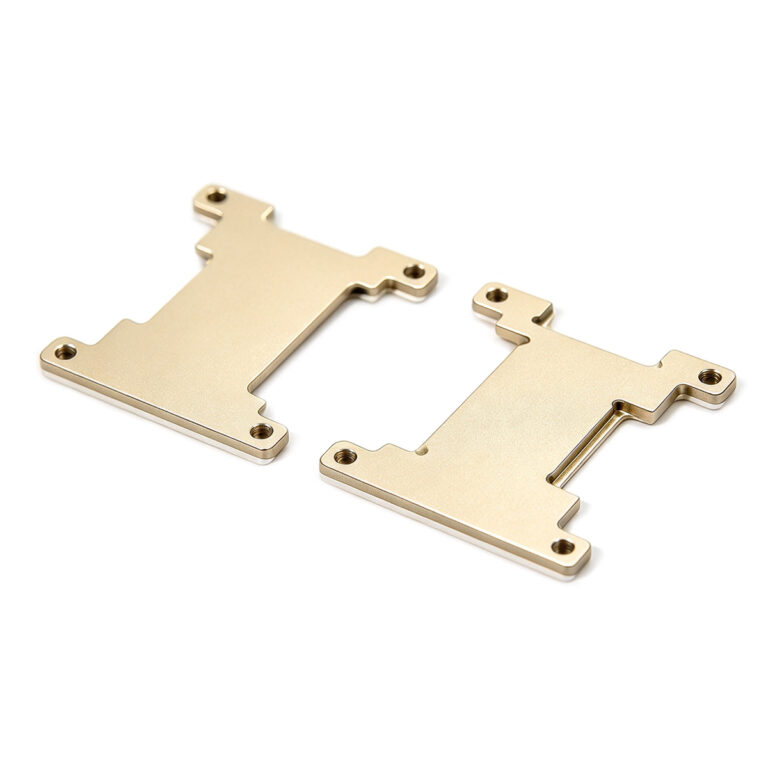
Molybdenum copper composite: adjustable CTE, high conductivity, lower density than tungsten copper. No...
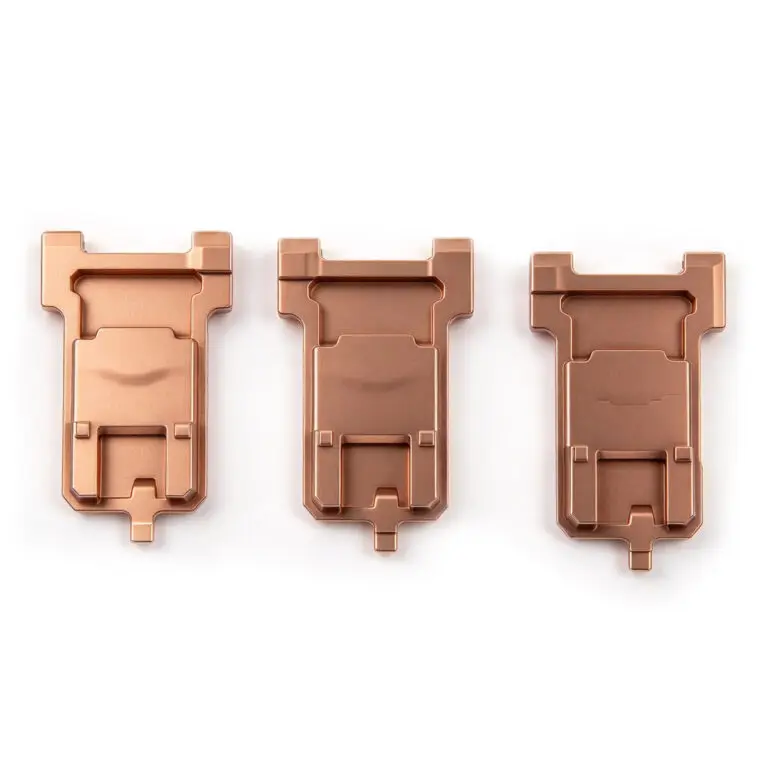
Tungsten copper composite: low CTE, high conductivity. Ideal for RF, power, optical packaging.
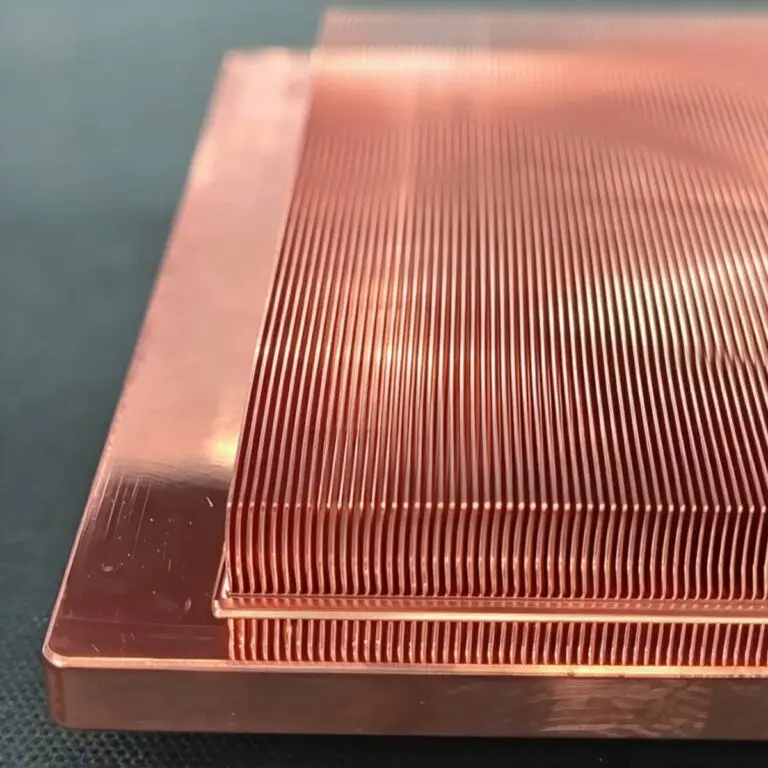
Diamond-Copper Thermally Conductive Composite. High thermal conductivity, tunable CTE, robust.
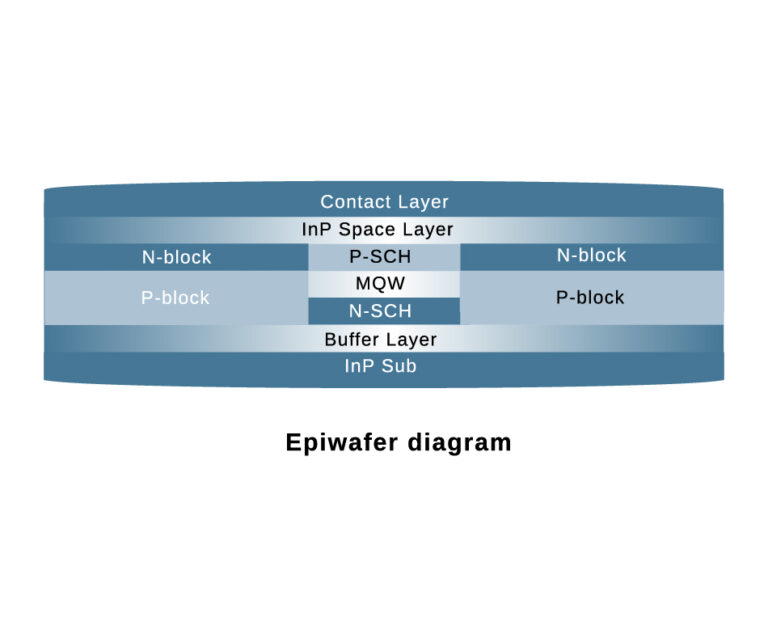
The DE-CW-1310 DFB EPI wafer, a high-performance epitaxial structure designed for distributed feedback (DFB) lasers operating at 1310 nm....
Ceramic thin-filmvacuum sensor Optical gas massflowmeter Liquid mass flowmeter Force sensor MEMS...